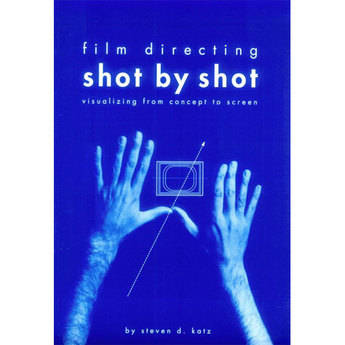
Shot by Shot is a step back from the filmmaker's lens. This book allows me to analyse and gain an understanding of how preplanning shots and putting them together can feed into my role as a DOP/ Camera op. By gaining an understanding of roles that are not directly in my control, I can foresee any input that I should provide in these vital yet sometimes overlooked essentials in film making. The author Katz explores the graphic design of a shot, presenting alternate examples of shot layout side by side. The author encourages seeing shots on the storyboard and how they play together, seeing the movie as static pictures before any film is spent, and this is something I need to pay close attention to in order to achieve the skill of providing the directors vision in camera. As he explains: "look at each sequence as a complete statement. Developing an intuitive sense of the overall perceptual effect of a sequence is one of the skills necessary for visualization." (pp 160) He offers traditional process but encourages experimental methods where appropriate. I was pointed toward the book from reading a similar book from the same author about cameras. Having read other film preproduction books this has been the best so far, although quite traditional in some sense.
Book: Shot By Shot
Shot by Shot is a step back from the filmmaker's lens. This book allows me to analyse and gain an understanding of how preplanning shots and putting them together can feed into my role as a DOP/ Camera op. By gaining an understanding of roles that are not directly in my control, I can foresee any input that I should provide in these vital yet sometimes overlooked essentials in film making. The author Katz explores the graphic design of a shot, presenting alternate examples of shot layout side by side. The author encourages seeing shots on the storyboard and how they play together, seeing the movie as static pictures before any film is spent, and this is something I need to pay close attention to in order to achieve the skill of providing the directors vision in camera. As he explains: "look at each sequence as a complete statement. Developing an intuitive sense of the overall perceptual effect of a sequence is one of the skills necessary for visualization." (pp 160) He offers traditional process but encourages experimental methods where appropriate. I was pointed toward the book from reading a similar book from the same author about cameras. Having read other film preproduction books this has been the best so far, although quite traditional in some sense.